Quick Tips for Blister Care
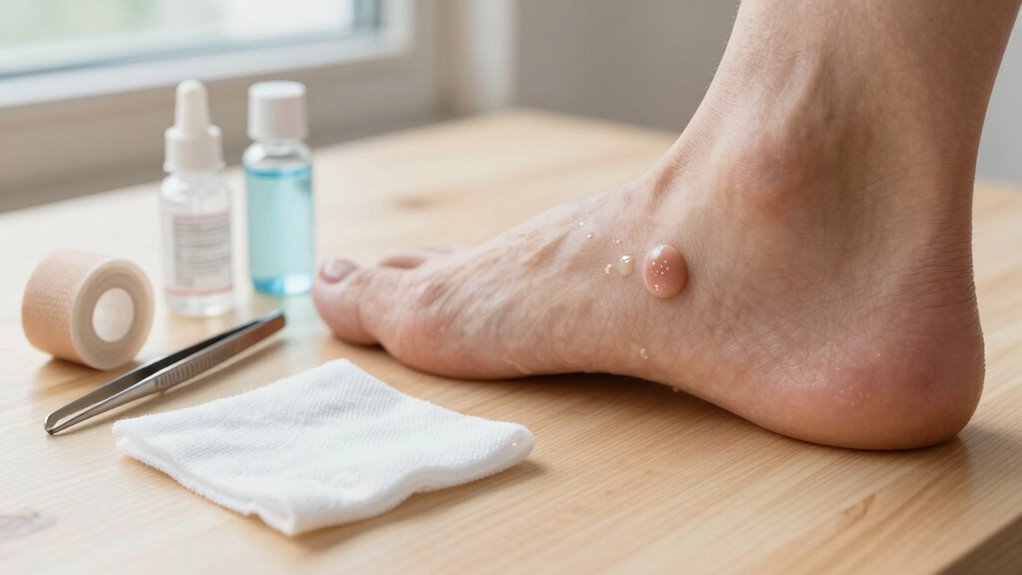
Leave your blister alone if it’s small or not bothering you—your body’s got this, and that fluid is protecting new skin like nature’s own bandage. This natural protection helps the skin underneath heal properly.
If your blister is large or painful, clean the area gently with mild soap and skip alcohol and peroxide—they sting and slow healing. Then cover it with a cushioned bandage to protect the area and reduce further friction.
Keep pressure off by wearing comfortable shoes or using a moleskin donut, which acts like a tiny pillow for your blister. This helps prevent worsening and supports faster recovery.
If the blister becomes red, warm, oozes pus, or shows no signs of improvement, it may be infected. In such cases, it’s time to seek medical advice for proper blister care.
Assess the Blister: To Pop or Not to Pop
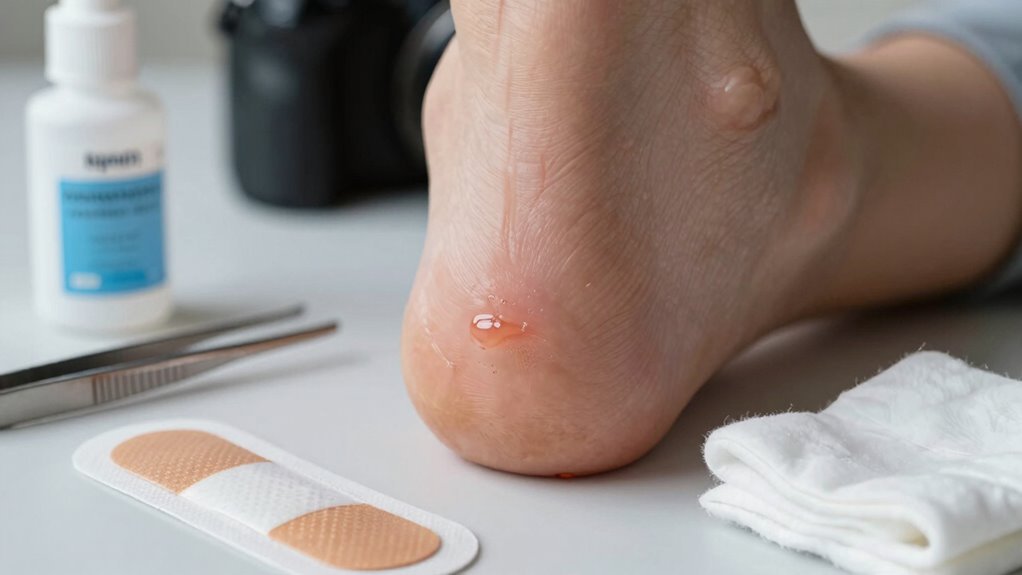
Ever stared at a blister and wondered if you should pop it or leave it be? Good news—you’re better off leaving most alone! Your body’s smart: that bubble of fluid cushions healing skin and blocks germs.
Popping it? Not only messy, but it invites unwanted visitors (hello, infection!).
Small or painless blisters? Just protect ’em and let nature do its thing—it usually heals in 1–2 weeks.
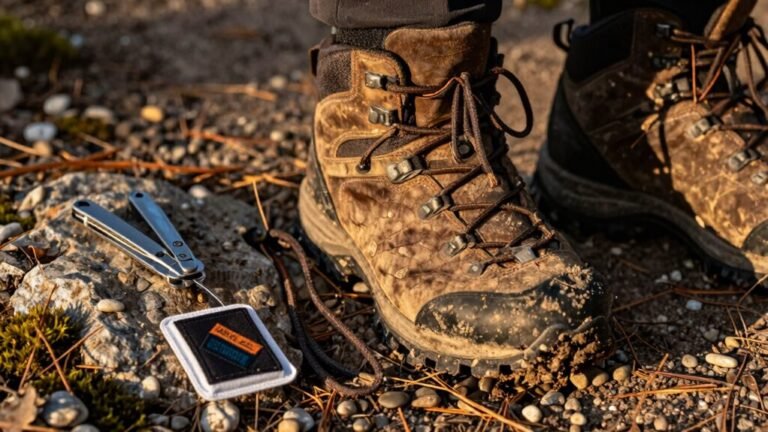
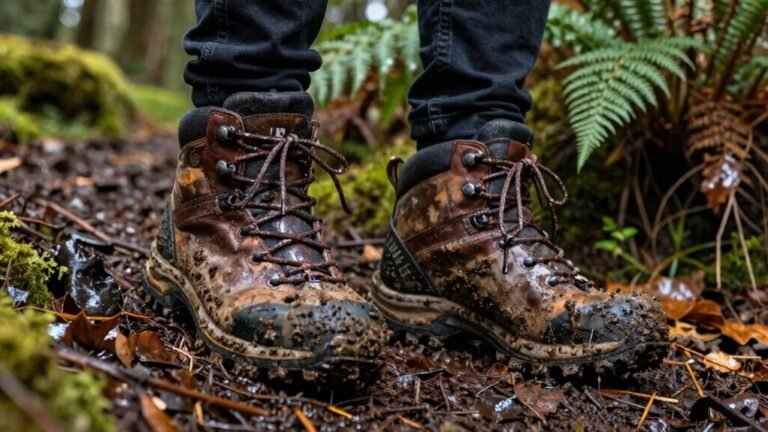
But if it’s huge, hurts like crazy, or lives on a spot that rubs nonstop (looking at you, hiking boot blister), draining might help.
Even then, keep the skin roof intact—it’s your built-in bandage!
When in doubt, especially with diabetes or immune issues, ask a doc.
Think of your blister like a tiny fortress: when sealed, it’s doing its job.
Break the seal, and you’ve got extra work—and risk.
So skip the needle.
Let your skin win the battle!
Blister healing takes longer if the friction source remains.
Clean the Area Gently to Prevent Infection
Wash that blister up—gently!
Use mild soap and warm water to clean the area, keeping things fresh without irritating your skin.
Skip harsh stuff like hydrogen peroxide or alcohol—they’ll sting and slow healing.
If your blister’s already broken, you can gently use antibacterial soap or betadine to stay safe.
Always pat dry with a clean towel—don’t rub!
Keep the skin roof intact if possible; it’s nature’s bandage.
If it’s already off, be extra kind when cleaning.
Do this each time you change your bandage—at least once a day or sooner if it gets wet or dirty.
This keeps bacteria from throwing a pool party on your skin.
Check for redness, pus, or swelling every time—your body’s way of saying, “Hey, something’s wrong!”
Keep it clean, keep it smart, and let healing do its thing.
Watch for signs of infection like increasing pain or warmth, which may mean medical care is needed (Signs of infection).
Apply a Protective Bandage or Dressing
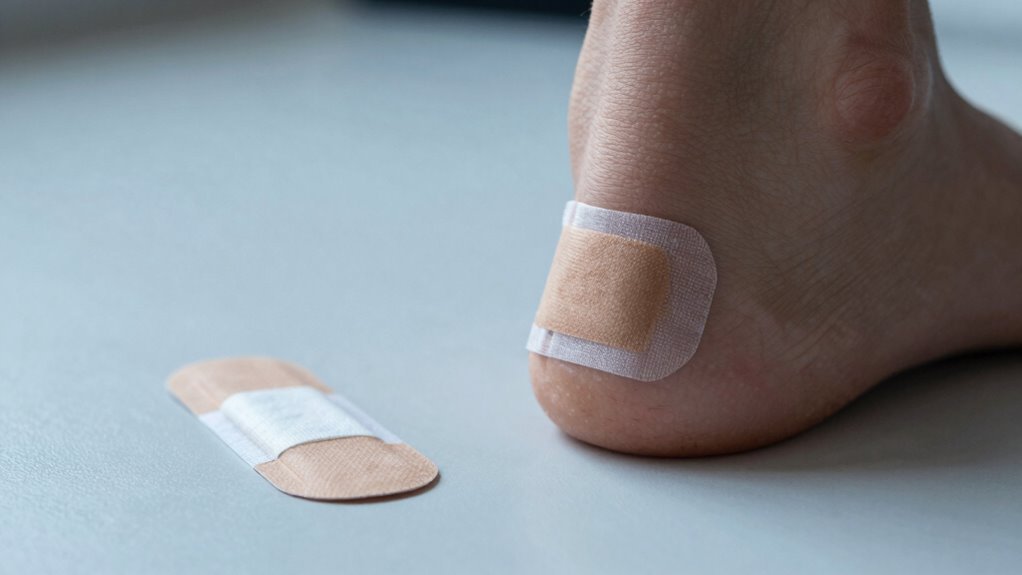
Time to give that blister the VIP treatment—cover it up with a protective bandage that’s got its back (or foot, or finger).
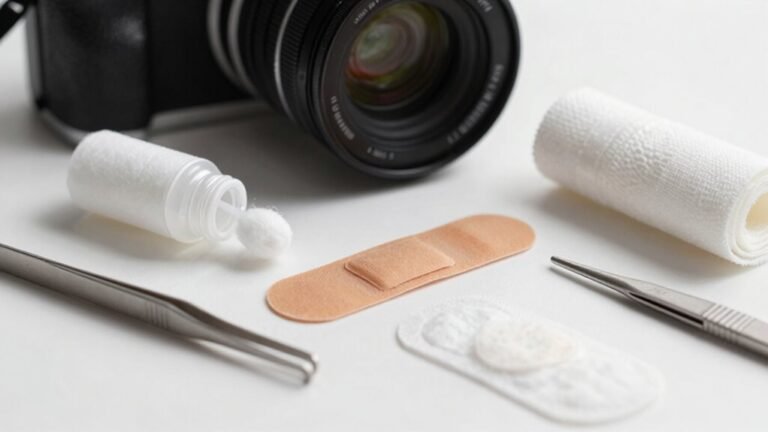
Grab a hydrocolloid gel pad or blister patch with a cushiony gel center—it seals out dirt, locks in healing moisture, and sticks like a champ.
Peel off the paper backing, press it down gently, and smooth it out so there are no bubbles.
For toes, go waterproof; for fingers, pick flexible fabric that moves with you.
If it’s on a high-pressure spot, try moleskin or Molefoam with a donut hole cut out—just pop it around the blister, then cover it all.
Make sure the bandage stays snug, not sloppy, and change it daily or if it gets wet.
Think of it as your blister’s personal bodyguard—small, silent, and totally dedicated.
Win the day with a bandage that’s quietly awesome.
The cushioning also helps reduce friction, which is the most common cause of blisters.
Keep Pressure Off to Speed Healing
Give your blister a break and let it heal in peace—because nobody wins a race with a hot spot fighting back.
Ditch the tight shoes and skip the activity that rubbed it raw; your blister needs a timeout.
Toss on loose footwear or even thongs if it’s on your foot—hey, fashion can wait!
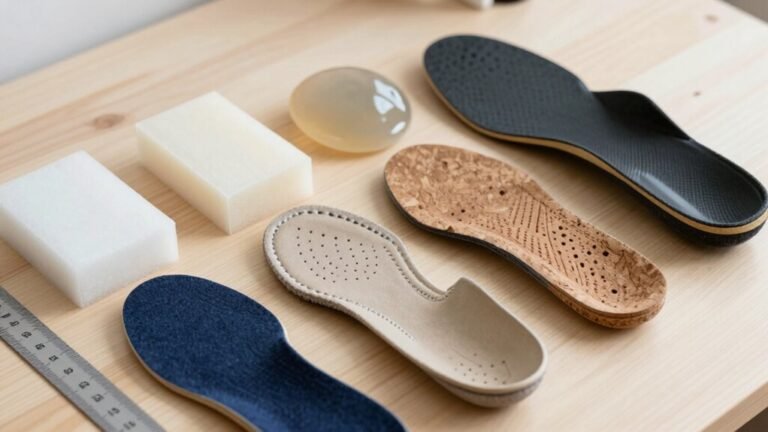
Use donut-shaped moleskin or orthopedic felt with a hole cut out to cradle the blister and keep pressure off.
These little shields let the skin underneath breathe and repair without more friction.
High-friction zones like toe joints or balls of feet need extra love, so pad ‘em right.
Pressure slows healing by squashing blood flow, and without fresh blood, your body can’t fix the damage fast.
Let circulation do its thing—no squeezing!
Avoid repeat stress, or you’ll be healing that blister longer than a snail’s road trip.
Monitor for Signs of Infection
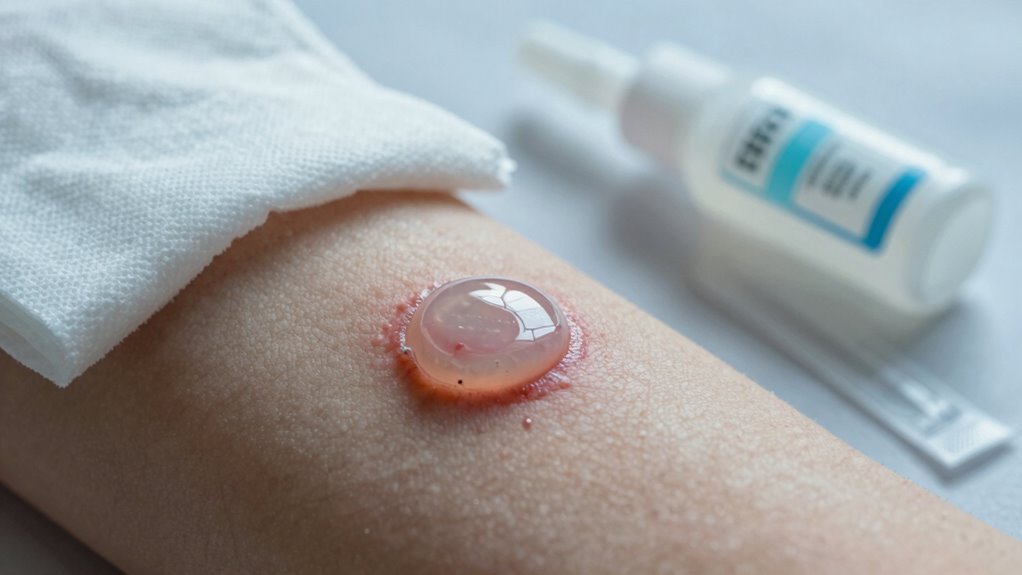
Now that you’ve given your blister the chill time it craves, let’s keep an eye on how it’s really doing—because even the calmest-looking blister can throw a surprise party you didn’t RSVP to.
If redness spreads, especially with warmth or swelling, your body’s shouting, “Hey, something’s wrong!”
Pus, cloudiness, or crusting? Yeah, that’s trouble.
Yellow, green, or milky-white goo means bacteria crashed the scene.
Stinky fluid? Definitely not normal.
If it hurts more, feels hot, or throbs like it’s tapping its foot, don’t ignore it.
Fever, chills, or red streaks spreading from the spot? Super serious.
It might be cellulitis or worse.
You’re not being dramatic—you’re being smart.
Watch for confusion, dizziness, or no healing after days.
Quick action saves skin.
When in doubt, call a pro.
Your blister doesn’t need a rave—keep it clean, calm, and infection-free.
Frequently Asked Questions
How Do I Prevent Blisters When Breaking in New Shoes?
You prevent blisters when breaking in new shoes by starting slow—you wear them just a few hours at first, so your feet don’t throw a tantrum.
You pair them with moisture-wicking socks, maybe even double up, and you cushion hotspots with tape or PTFE patches.
You check for snug, not tight, fit—wiggle room at the toes helps!
You’ll laugh, not bleed, if you take it step by step.
Can I Go Swimming With a Blister on My Foot?
Yeah, you can swim with a blister, but only if it’s covered like a treasure chest in waterproof bandage—don’t let Neptune’s kingdom near that open wound!
Chlorinated pools? Usually safe.
Lakes or oceans? Nope—those waters are pirate bays loaded with germ monsters.
Keep it clean, keep it sealed, and think like a ninja: stealthy, smart, and always protected.
And for goodness’ sake, wear water shoes—your feet will thank you later!
Are There Blister-Prone Areas I Should Watch For?
Yeah, you’ve got blister-prone spots to keep an eye on—your feet and hands are classic troublemakers, thanks to all that rubbing.
Watch your thighs, armpits, and groin too—they chafe when you move a lot.
Oh, and if your shoes pinch or your clothes don’t play nice, hello blisters!
Even behind your ears or on your back can flare up.
Just stay aware, stay dry, and give friction the boot!
Do Certain Socks Help Reduce Blister Formation?
Yes, the right socks can totally save your soles! Think of them as peacekeepers between your feet and shoes, shutting down friction before it starts. Slip on moisture-wicking types—like Drymax or polypropylene—and you’ll keep sweat off your skin, so blisters don’t stand a chance. Add cushioning, seamless fits, and slick liners, and boom: your feet are basically hiking in hero mode. Who knew socks could be this exciting?
Is It Safe to Exercise With a Healing Blister?
No, you shouldn’t exercise with a healing blister if it hurts or gets pressure.
Pushing through pain makes it worse fast—trust me, your foot’ll throw a tantrum!
Keep it protected with a hydrocolloid bandage, cushion around it, and swap workouts for something low-impact.
Your blister’s healing time isn’t a race, so give it a break.
Happy feet mean better moves later!
Conclusion
Think of your blister as a tiny castle—guard it well! Keep it clean, cozy, and covered, like a snug sleeping bag for sore skin. Let it rest, avoid the squeeze, and skip the drama of popping. Healing hums along faster when you give it space. Watch for red flags, sure, but most heal like champs. You’ve got this—happy feet, happy trails, and no need for blister tantrums!
References
- https://www.healthline.com/health/should-you-pop-a-blister
- https://www.medicalnewstoday.com/articles/325893
- https://www.mayoclinic.org/first-aid/first-aid-blisters/basics/art-20056691
- https://www.citymd.com/health-and-wellness/should-you-pop-a-blister-your-guide-to-dealing-with-blisters
- https://www.webmd.com/skin-problems-and-treatments/understanding-blister-treatment
- https://www.cumberlandskin.com/healthy-skin-blog/what-to-do-if-a-blister-gets-infected
- https://www.aad.org/public/everyday-care/injured-skin/burns/prevent-treat-blisters
- https://www.okfootandankle.com/blister-blues-understanding-preventing-and-treating-blisters-on-feet/
- https://www.aquaphorus.com/skin-care-tips/blisters
- https://www.nationwidechildrens.org/specialties/sports-medicine/sports-medicine-articles/the-abcs-of-blister-care