Merino Vs Synthetic: What to Wear When
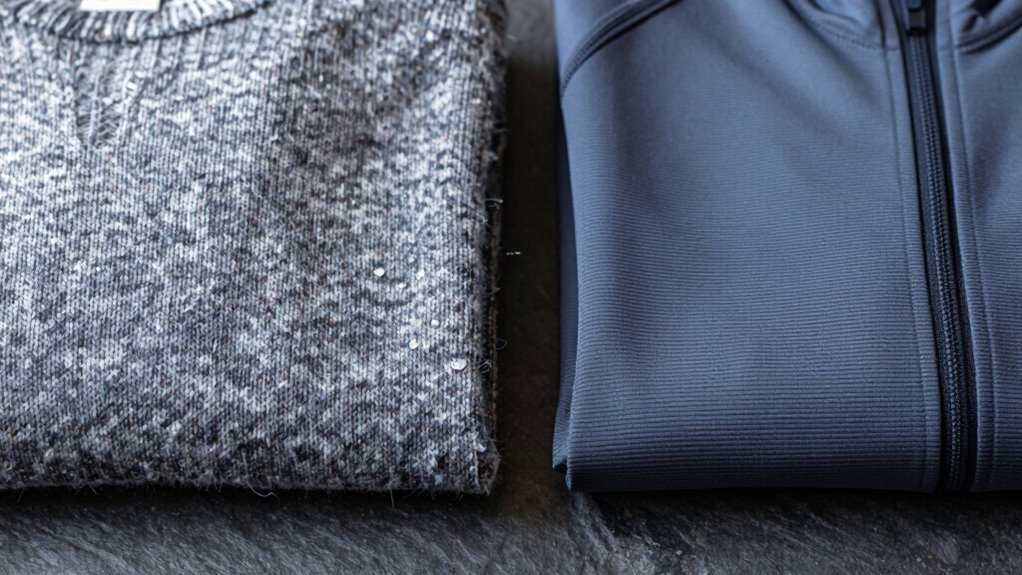
When it’s chilly and your temperature keeps shifting, merino wool is your cozy secret. It traps warmth, fights odor, and keeps you comfortable even when damp—making it a top choice for variable conditions.
For intense activity or hot weather, synthetic fabrics take the lead. They dry quickly and wick moisture efficiently, like tech-savvy ninjas working to keep you cool.
Merino feels soft and luxurious against the skin but snags easily on sharp brambles. Synthetics are more durable and resist abrasion, though they tend to retain odors without antimicrobial treatments.
Choose between merino vs synthetic based on your adventure. Your mission should guide which fabric performs best for the conditions and demands of the day.
How Merino Wool Regulates Body Temperature
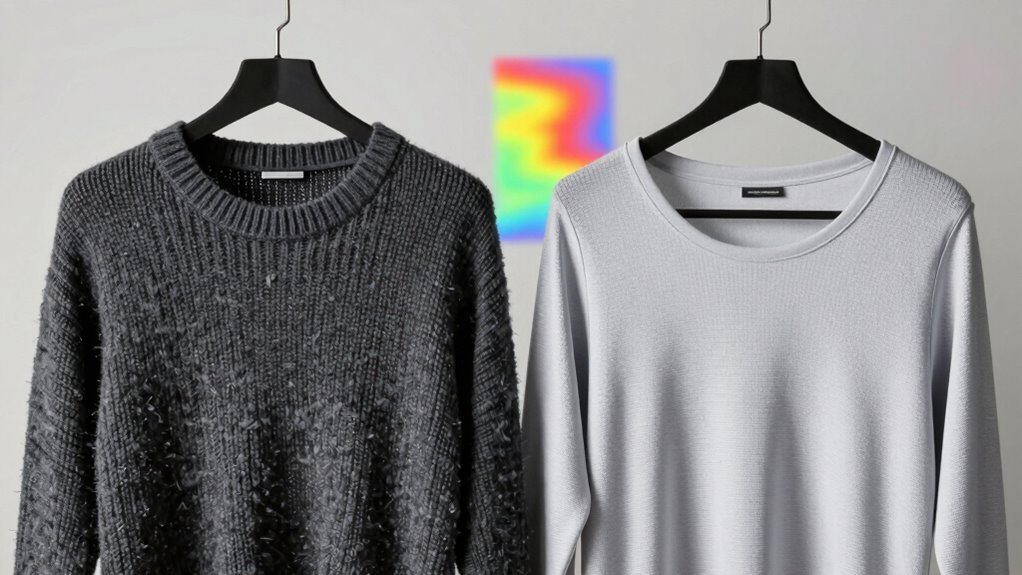
Ever wonder how your base layer can actually warm you up when it’s wet?
Merino wool’s magic lies in its clever chemistry—when moisture hits, it bonds with proteins in the fiber and releases heat, like a tiny hug for your skin.
You stay warm even in damp chills because it traps moisture inside microscopic pockets, never feeling soggy.
Those crimped fibers also lock in air, adding insulation without bulk.
And get this: in wet, 5°C weather, it keeps your skin 2.8°C hotter than synthetics—no shivering allowed!
Plus, it creates a cozy 32–35°C zone next to you, delaying hypothermia by nearly 40 minutes.
When things heat up, it flips the switch—soaking sweat vapor and cooling you naturally.
It’s like your base layer’s got both a heater and AC built in.
Nature’s pretty smart, huh?
This warming effect is due to an exothermic reaction that releases 1.1 kJ of heat per gram of water absorbed.
Why Synthetics Excel in Moisture Wicking
How does your workout gear keep up when sweat starts flying?
Synthetics like polyester and nylon are built to win the moisture-wicking race.
They repel water instead of soaking it up, keeping you feeling fresh and dry.
Thanks to smart fiber engineering, sweat zips away from your skin through tiny channels, spreading fast across the fabric’s surface where it evaporates—no soggy shirt clinging for dear life.
This works because synthetics are hydrophobic, meaning they naturally resist absorbing moisture and instead use capillary action to move it along the surface.
- You stay dry, cool, and light, even during intense sweat sessions
- No more heavy, wet fabric dragging you down like a soaked sponge
- You dodge the dreaded “marshmallow-in-a-rainstorm” look mid-hike
- Your gear keeps performing, wash after wash, without throwing in the towel
Science and sweat teamed up—and you’re the winner.
Odor Resistance: Nature vs. Technology
Why does your hiking buddy still smell like a field of wildflowers after three days on the trail—while your synthetics scream “skip the shower”?
Blame it on bacteria.
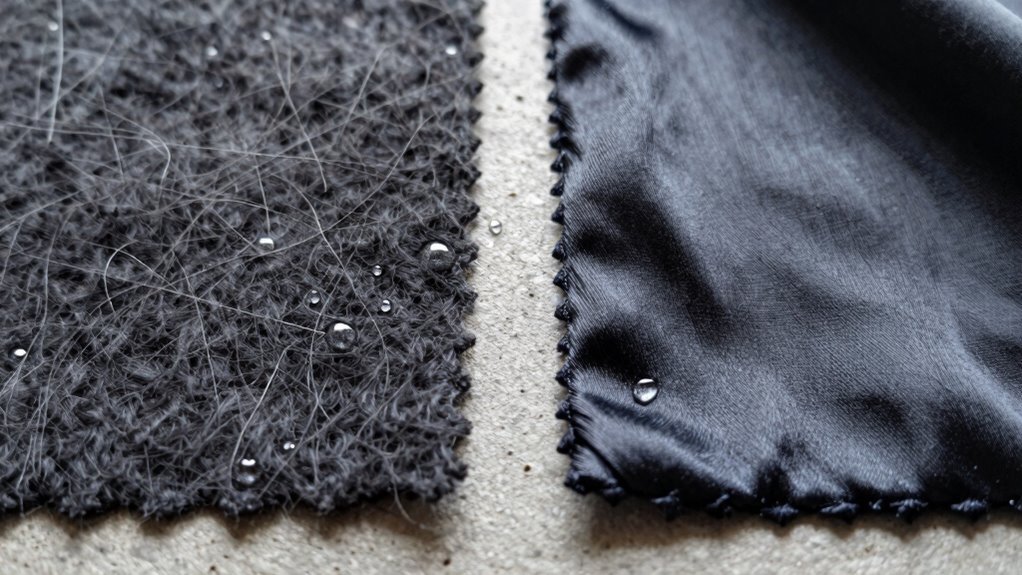
Merino fights odours naturally—its fibres resist bacterial growth, trap smells inside, and keep your skin drier, so you stay fresher longer.
You can wear the same merino base layer for days, air it out, and still dodge stink alarms.
Synthetics, though? They’re bacteria buffets, holding onto funk even after one sweaty hike.
Luckily, tech stepped in: Polygiene and similar treatments add odour control, helping synthetics mimic merino’s magic.
And blends? A shirt with 65% merino and 35% synthetic stays impressively fresh for three intense days.
Nature’s got a head start, but clever science is catching up—making your next adventure smell a lot sweeter. Merino wool is naturally odour-resistant.
Drying Times in Real-World Conditions
So your merino shirt kept you smelling like a spring meadow deep into the backcountry—nice work.
But when it’s soaked and the wind picks up, drying time matters.
Synthetics pull ahead, drying about 20 minutes faster than merino in real conditions—Under Armour’s polyester in 34 minutes, merino in 48.
Even if both feel damp, polyester sheds water quicker thanks to its smooth fibers and thinner knit, while merino holds onto moisture longer.
- Your shirt could be dry before your camp coffee cools—imagine that!
- Sitting in a damp layer? Synthetics fight the chill better.
- One rainstorm shouldn’t mean hours of squishy hiking.
- You want warmth anddryness—timing is everything out there.
Yep, merino’s close, especially in blends, but when every minute counts, synthetics sprint ahead.
Durability Across Different Terrains
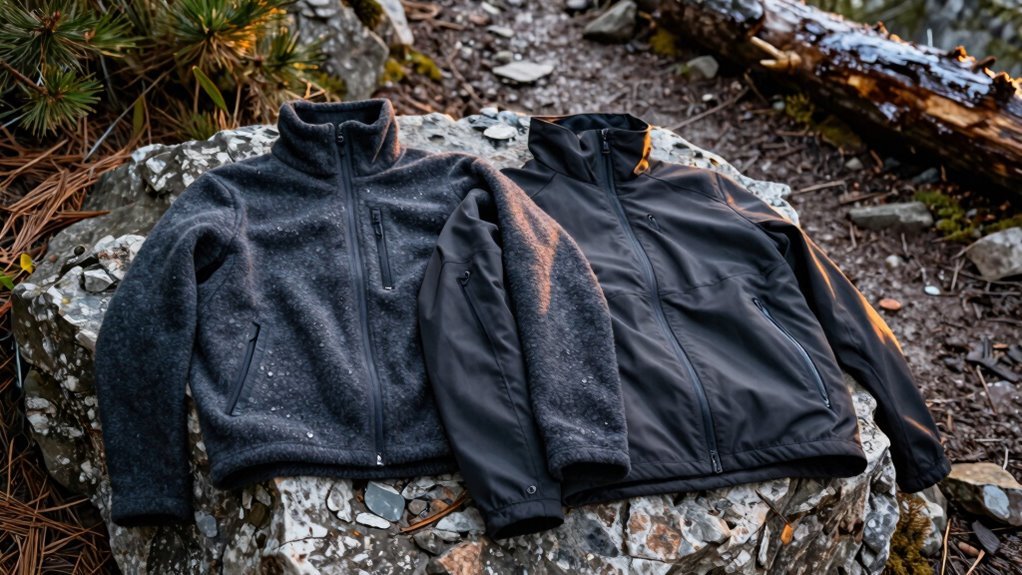
Ever taken a tumble on a scramble and watched your shirt snag like it’s personally offended by rocks?
Yeah, that’s merino throwing a fit.
It’s cozy and natural, but rough terrain?
Not its strong suit.
You’ll see pills and tears faster than you’d believe, especially when brushing past sharp edges or brambles.
Synthetics, though?
They laugh in the face of abrasion.
They resist snags, shrug off scrapes, and keep going after repeated beatings on rocky climbs or muddy mountain bike trails.
Even when it’s wet and rugged, synthetics hold their shape and keep performing.
Blends help—toss in 20% synthetic fibers, or go 50/50, and suddenly merino gains some backbone.
Core-spun fabric wraps wool around a durable core so it lasts longer without losing softness.
For real abuse across rough landscapes, synthetic wins on toughness, but a smart blend gives you the best of both worlds—just without the drama.
Comfort and Skin Sensitivity Considerations
- You’re not just avoiding the itch, you’re wrapping your skin in soft, pH-balanced comfort that loves you back
- Kids with eczema? Studies show they sleep better and feel better in merino—imagine that relief for your own sensitive skin
- Say goodbye to sweat traps and hello to moisture magic—merino keeps you dry, calm, and rash-free
- Unlike scratchy synthetics packed with chemicals, this fiber plays nice, minimizing irritation and drama
- Merino doesn’t just feel good—it cares
- You’ll wonder how you ever survived workouts, hikes, or winter days without it
- Who knew nature could outsmart plastic?
Layering Strategies for Changing Weather
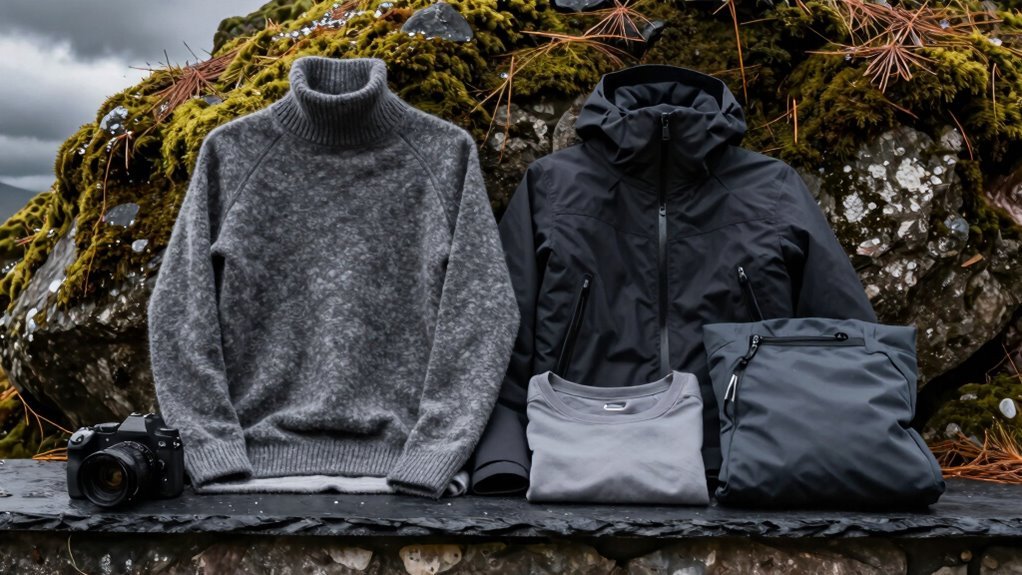
When the weather can’t decide if it’s chilly, rainy, or ready for a surprise snow flurry, your layers better know what they’re doing—no guessing games allowed.
If you’re tearing up a trail or skiing hard, go synthetic next-to-skin: it wicks sweat fast and dries quick, even in biting cold.
But when temps swing wildly, merino shines—its magic touch keeps you warm when damp and cools you down before you start sweating like a snowman in July.
Layer merino over synthetic for smart moisture control, or pair merino pieces together to spread dampness evenly.
Need to pack light? Synthetics squash small and save weight.
But if you’d rather carry fewer layers, merino’s cozy versatility wins.
Whether you’re hiking, shoveling, or just dodging weather whims, mix and match—your comfort zone is only a layer away.
Cost and Longevity: What’s the Better Value?
So, how do you stretch your dollar without sacrificing comfort on the trail?
It boils down to what you value: upfront savings or long-term performance.
- You’ll pay less at checkout with synthetics, but they mightn’t love you forever
- Merino feels like a cozy hug from nature, but your wallet might wince at first
- Think of blended layers as the ultimate compromise—best of both worlds, without the guilt
- And hey, if you hate doing laundry, synthetics dry fast and don’t throw a fit in the washer
Synthetics win for quick trips and tight budgets, while merino justifies its price with lasting softness and performance on backcountry adventures.
You’re not just buying a layer—you’re picking a trail buddy. Who do you want by your side when the sweat starts dripping and the trail gets tough?
Frequently Asked Questions
Can I Mix Merino and Synthetic Layers Safely?
Yes, you can totally mix merino and synthetic layers—it’s a power combo!
You get merino’s cozy warmth and odor resistance next to skin, plus synthetics’ tough, quick-drying outer protection.
They play well together, boost durability, and even cut down on static cling.
Just wash like the merino—cool and gentle—to keep everything fresh and functioning.
Think of it as your outdoor dream team: soft on the inside, tough on the outside, and always ready for adventure!
Are Merino Blends Better Than 100% Wool?
Yes, merino blends are tougher and last longer than 100% wool, you resist pilling, you laugh at wear-and-tear, you stay warm even when things get rough.
But pure merino wins for softness and staying fresh longer.
You’ll pick blends for hiking, skiing, or daily grind—they handle abuse like champs.
Choose 100% when you crave luxury, odor-fighting magic, and next-to-skin bliss.
Each has perks, and honestly, you can’t go wrong having both in your closet—team players, really.
How Does Sunlight Affect Synthetic Fabric Longevity?
Sunlight weakens synthetic fabrics fast—you’ll see strength drop in just a month.
UV rays break down the fibers, making them brittle, faded, and prone to tearing.
After 100 days, most synthetics lose over 30% strength, especially lightweight ones.
Plus, they shed microfibers like crazy—darker colors even more.
So yeah, your bright swim trunks?
They’re working overtime just to survive the sun, and losing.
Talk about a beach bod betrayal!
Is Merino Suitable for Tropical Humid Climates?
Yes, merino’s perfect for tropical humidity—you stay cool and dry even when the jungle’s breathing down your neck.
Imagine hiking Borneo’s rainforests, sweat pouring, yet your shirt feels light and fresh.
That’s mer planning to be dogged by dampness.
It wicks moisture fast, fights stink with natural antibacterial powers, and keeps you comfy, wrinkle-free, and oddly stylish, even when nature turns the heat up to “sauna mode.”
Do Synthetic Fabrics Lose Elasticity Over Time?
Yeah, synthetic fabrics do lose elasticity over time—no magic stretch potion here!
You stretch ’em, wash ’em, and toss ’em in the dryer, and boom: sagging kicks in.
Hot water? Brutal.
Harsh soap? Not cool.
Even your sweat and body oils team up to weaken the fibers.
But hey, treat ’em right—cold wash, air-dry, skip the softener—and they’ll bounce back like a pro, not a sad noodle.
Conclusion
Remember that time your friend showed up to a blizzard in socks and flip-flops? Yeah, not cute. Choosing between merino and synthetic is kinda like packing the right shoes: merino keeps you cozy when it’s chilly, like a warm hug from your dog, while synthetics sprint ahead when sweat flows. Pick wisely—your comfort’s riding on it, and nobody likes soggy socks.
References
- https://ktena.com.au/the-science-behind-merino-wools-heat-of-sorption-why-it-outperforms-synthetic-alternatives/
- https://www.sirwmerino.com/blogs/journals/how-merino-manages-temperature-and-moisture
- https://www.woolmark.com/industry/newsroom/thermoregulation/
- https://www.1000hoursoutside.com/blog/wool-science
- https://babycaterpillar.com/blogs/all-about-merino/the-science-behind-merino-wool-temperature-regulation-and-comfort
- https://chillangel.com/blogs/news/cool-and-comfortable-managing-hot-flashes-and-night-sweats-with-merino-wool
- https://www.woolino.com/pages/why-merino-wool
- https://www.heatholders.com/blogs/wow/understanding-the-science-behind-thermal-clothing-how-does-it-work
- https://antipodean-home.com/a/blog/wool-thermoregulation
- https://discoveryfabrics.com/blogs/threads-of-wisdom/what-makes-fabrics-moisture-wicking