Winter Hiking Basics: Stay Warm and Safe
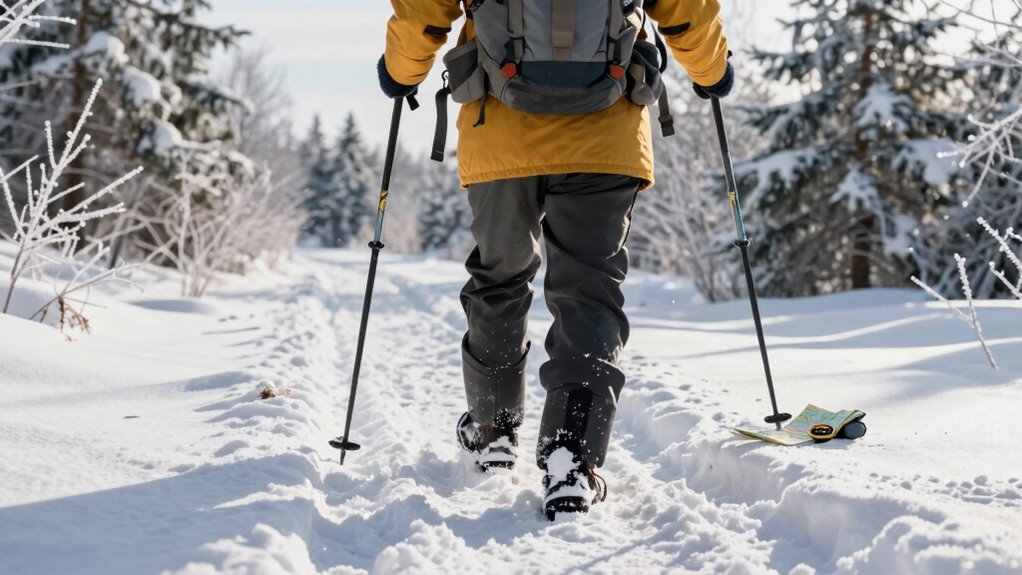
Dress in layers to stay warm and dry during winter hiking—this is essential for regulating body temperature in cold conditions. Start with a moisture-wicking base layer, add a cozy insulating mid-layer, and finish with a windproof and waterproof outer shell.
Skip cotton like the plague; it absorbs moisture and can lead to dangerous heat loss. Instead, choose wool or synthetic fabrics that keep you dry and comfortable on the trail.
Keep hands, feet, and head covered with gloves, warm socks, and a hat—because retaining heat starts with protecting your extremities. Nobody likes frosty fingertips or numb toes, so gear up properly before heading out.
Stay fueled with high-energy snacks and keep hydrated, even if you don’t feel thirsty. Winter hiking demands more from your body, so be ready to adapt when the weather throws a tantrum.
Spot trouble early, such as shivers or numbness, and take action fast. These are early signs of cold-related issues, so address them before they escalate.
Dress in Layers for Maximum Warmth
Staying warm on a winter hike isn’t about packing on the thickest coat you own—it’s about building your armor like a pro onion wizard.
You’ve got this: start with a base layer that wicks sweat, then add a cozy fleece or puffy mid-layer to trap heat.
Top it off with a tough outer shell that blocks wind and rain like a boss.
Each layer works together—warm air gets caught in between, while moisture escapes so you don’t turn into a sweaty mess.
When you’re hiking uphill and heating up, just unzip or shed a layer.
Hit a windy ridge or stop for snacks?
Throw on that puffy jacket—your body will thank you.
It’s all about quick swaps to stay dry and comfy.
Think of it as weatherproofing your adventure, one smart layer at a time.
Winter won’t stand a chance.
On very cold days, consider adding a fourth layer like a thicker insulated jacket, especially at a camp or summit.
Choose the Right Base Layers
You’ve built your layering system like a winter wizard, and now it’s time to pick the right foundation—your base layer.
This isn’t just fancy long underwear; it’s your first line of defense against sweat, chill, and that “why-am-I-suddenly-freezing?” panic.
- Merino wool wraps you like a cozy, odor-resistant hug—even when damp
- Synthetics like polyester sprint ahead when you’re sweating hard on steep trails
- Midweight layers balance warmth and breathability, perfect for most winter hikes
- Snug fits with thumbholes keep sleeves in place, so you’re never tugging at cuffs like a frustrated penguin
Pick smart: ceramic-infused fabrics add heat mastery, while mesh zones help you stay fresh.
Base layers made from merino wool offer superior temperature regulation and resist odors even after days of use.
Whether you’re gliding uphill or slipping on ice (literally), your base layer’s got your back—literally.
Stay dry, stay warm, and keep looking cool, even when it’s not.
Protect Your Extremities: Hands, Feet, and Head
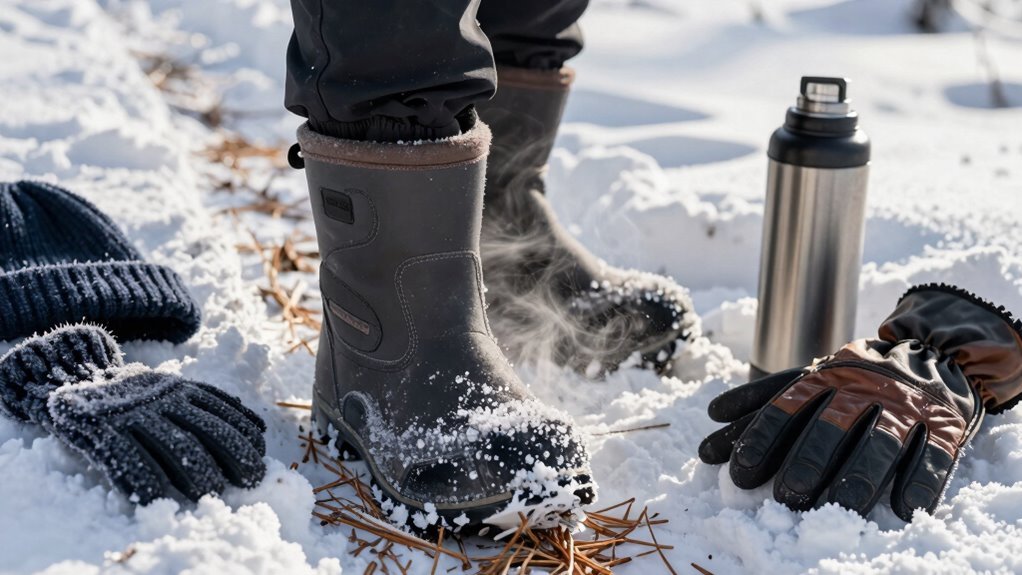
Ever wonder why your fingers turn into icicles before the rest of you even feels cold?
That’s because extremities get less blood flow, making them prime targets for frostbite.
Keep your hands toasty with lightweight fleece gloves under waterproof mittens, and stash an extra pair—just in case.
A hand warmer in each mitten? Yes, please.
For your feet, grab synthetic or wool socks—they stay warm even when damp—and bring a spare pair to swap into if needed.
Avoid tight gear; snug is good, constricting is bad (nobody wants frozen toes).
Top it off with a warm hat—your head leaks heat like a broken thermos—and don’t forget ears!
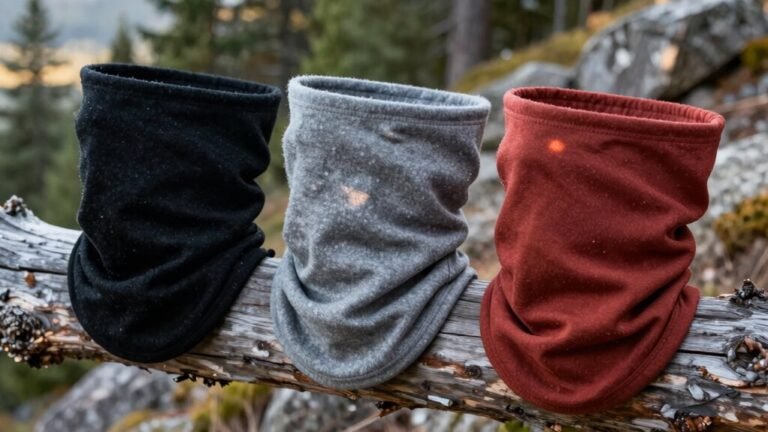
A neck gaiter doubles as face mask and ear warmer, shielding cheeks and nose.
Keep circulation flowing, stay loose and layered, and you’ll hike happy, warm, and frostbite-free.
Proper layering helps maintain core temperature and preserves blood flow to hands and feet.
Invest in Reliable Winter Footwear
Step into the snow like a winter pro—your feet will thank you when they stay warm, dry, and ready for adventure.
Choosing the right boots isn’t just smart, it’s essential for enjoying every step.
Think of your footwear as a cozy, tough fortress against the cold.
Here’s what to look for:
- Insulation that matches the forecast: 200g for chilly days, 400g when it’s freezing—like wearing a puffer jacket for your feet.
- Waterproof magic inside: Gore-Tex or B-DRY membranes keep slush out while letting sweat escape—no soggy socks allowed!
- Grippy soles that won’t slip: Vibram Arctic Grip bites into ice so you don’t do the winter flail.
- Comfy support that lasts: Cushioned midsoles and ankle hugging fit mean you can hike all day without a blister drama.
Your adventure awaits—step confidently!
Pack Essential Gear for Cold Weather
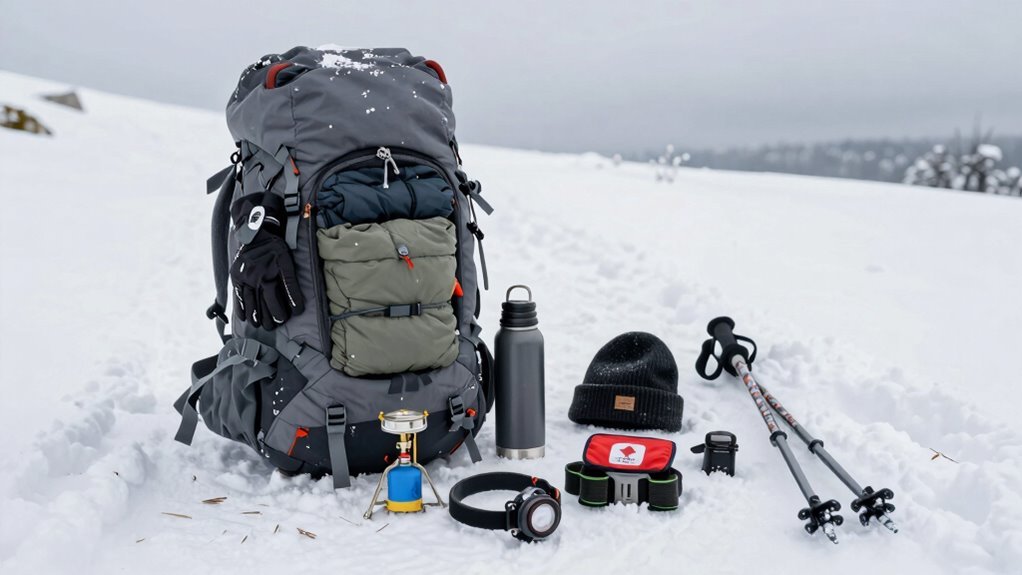
Now that your feet are locked in like they’ve got their own personal snow fortress, it’s time to suit up from head to toe with gear that keeps you warm, safe, and ready for anything winter throws your way—like surprise flurries or that one friend who always gets us “a little off trail.”
Packing the right stuff isn’t about bringing your entire closet; it’s about smart choices that work together like a well-tuned snow machine.
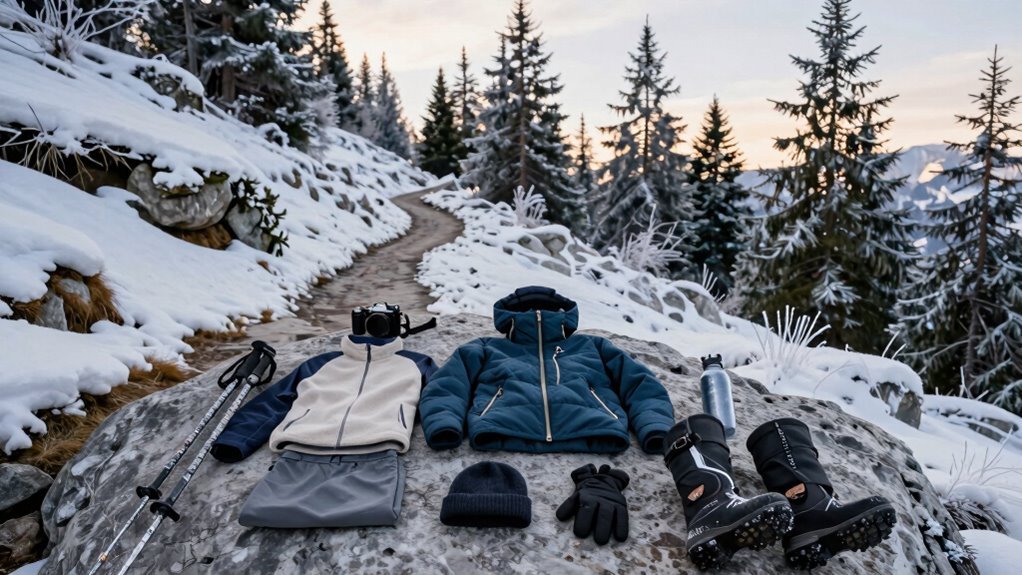
Start with layers: wicking base, cozy mid, and a waterproof shell.
Don’t forget a puffy jacket and softshell pants.
Top it off with gloves (liners and waterproof shells), a warm beanie, and a neck gaiter.
Sunglasses or goggles, gaiters for your boots, and trekking poles help you move safely.
Toss in microspikes for icy patches, a headlamp, map, emergency bivy, and repair kit.
You’ll stay warm, steady, and ready—because frostbite isn’t a flex.
Stay Hydrated and Fuel Your Body
Staying warm and energized on a winter hike means drinking early, drinking often, and treating your body like the high-performance snow machine it is.
You’re burning calories just to stay warm, so keep fuel and fluids flowing—think hot tea in your thermos, salty snacks in your pocket, and sips every 20 minutes (yes, even when you’re not thirsty).
Winter sneaks up on hydration, so stay ahead of it.
- Pack a steaming mug of cocoa that doubles as hand warmth
- Stash a wide-mouth Nalgene in your pack, cozy in a wool sock like it’s hibernating
- Crunch on trail mix with nuts and pretzels, your body’s cold-weather cheerleaders
- Sip electrolyte-infused water before it turns to a science experiment in your tube
You’ve got this—just keep sipping, snacking, and smiling through the snow.
Watch for Signs of Hypothermia and Frostbite
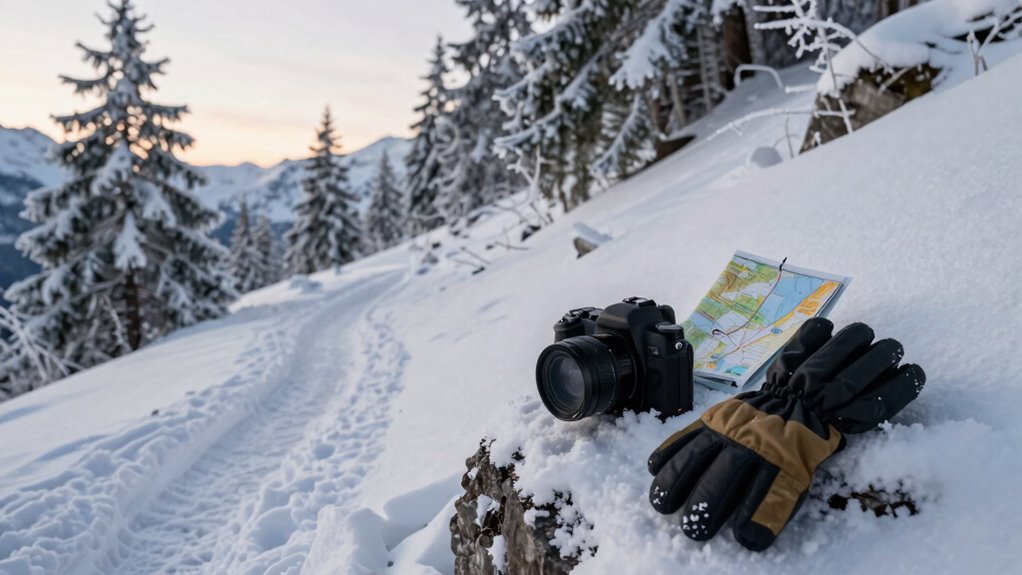
You’re crunching through the snow, thermos in hand and snacks doing their job, but don’t let the winter wonderland lull you into forgetting that cold can sneak up like an overeager squirrel eyeing your trail mix.
Watch for numbness, tingling, or skin turning red, white, or waxy—it could be frostbite creeping in.
Early frostnip fades with warmth, but blisters or blue-gray skin mean trouble.
For hypothermia, shivering hard, slurred words, or confusion are red flags—your body’s yelling, “I’m too cold!”
Kids may not shiver much but go sluggish or pale.
If you spot signs, head to shelter fast.
Body temp below 95°F means real danger.
Stay sharp, laugh at squirrels, but take frostbite and hypothermia seriously—warmth saves lives.
Plan for Shorter Daylight Hours
Even if the snow glistens like nature’s glitter bomb, don’t let that sunshine fool you—winter days vanish faster than a sandwich at a squirrel convention.
You’ve got to plan smart so you’re not stumbling back in the dark.
- Check sunset times and aim to finish well before dusk—especially up north, where daylight’s extra stingy.
- Start early—like, “sunrise early”—to squeeze every possible minute out of the shortened day.
- Pack a headlamp with fresh batteries; even if you *think* you’ll be back in time, winter loves a plot twist.
- Tell someone your plan—route, return time, the works—so if you’re late, help won’t wait too long.
Short days mean less room for error, but with a little prep, you’ll have more fun and stay safe under the stars.
Be Ready for Sudden Weather Changes
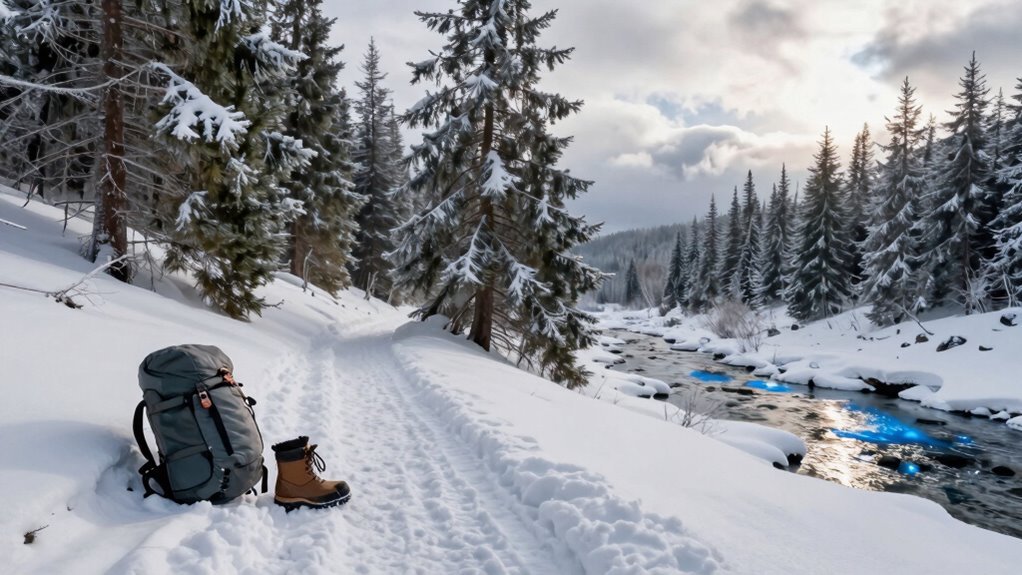
When the sky goes from “serene blue” to “angry storm cloud” in the time it takes you to tie your boots, you’ll wish you’d packed more than just a sandwich and a dream.
Check forecasts before you go, and don’t skip checking wind chill, rain, or avalanche risks—nature doesn’t send invites before it storms.
Bring extra layers in dry bags, ditch cotton (it’s basically a betrayal in snow), and adjust clothing often so you stay warm, not sweaty.
Pack the 10 essentials, insulate water bottles, and keep hand warmers handy.
If hypothermia hits—shivering, slurred words, clumsy moves—act fast: dry clothes, shelter, warm sips, and snacks like nuts or chocolate.
Tell someone your plans, and stash emergency numbers.
Winter’s surprise weather is no joke, but with a little prep, you’ll laugh at the squall instead of fleeing it.
Stay sharp, stay dry, and own that wild mountain mood.
Frequently Asked Questions
Can I Use Cotton Socks for Winter Hiking?
No, you shouldn’t wear cotton socks for winter hiking—you’re a cold-weather trap!
Cotton soaks up sweat like a sponge and won’t dry, leaving your feet icy and miserable.
It loses all warmth when wet, hikes up blister risk, and can even put you in danger of hypothermia.
Swap them for wool or synthetic socks instead—they keep you warm, dry fast, and actually enjoy the cold.
Your toes will thank you!
How Do I Prevent My Glasses From Fogging Up?
You prevent your glasses from fogging by keeping cool, not hot—zip down your jacket before you sweat, and let that warm air escape.
Tilt your glasses slightly or wear flat frames for better airflow.
Point your balaclava under your nose so breath doesn’t rise into the lenses.
Use a dab of soap or anti-fog spray—they work like magic!
And hey, if all else fails, just blame your breath for being too cozy.
Is It Safe to Hike Alone in Winter?
Hiking solo in winter? It’s like dancing with a frosty dragon—thrilling but risky.
You’re way more exposed, one misstep on icy trails could lead to trouble fast.
Weather shifts quicker than a squirrel on espresso, and help’s miles away.
But hey, if you pack smart, share your route, and turn back when doubts creep in, you’ve got a fighting chance—and maybe a great story.
Stay sharp, stay safe.
What Should I Do if I Fall Through Ice?
You fall through ice? Don’t panic—you’ve got this.
Turn toward solid ice, slap your hands up, and kick hard like you’re swimming through pudding.
Use ice picks or even keys for grip.
Pull yourself out, lie flat, then roll like a happy log to safer ice.
Keep your clothes on—they’re helping!
Once clear, crawl or roll to shore, and get somewhere warm fast.
Cold? Yeah—but you’re tougher.
Are Trekking Poles Necessary for Winter Trails?
You don’t *need* trekking poles, but skipping them is like licking a frozen pole bare-handed—risky and regrettable.
You’ll love how they steady you on icy downhills, ease knee strain, and boost balance in deep snow.
Yeah, they won’t carry your snacks (wish they could!), but they make tough climbs feel lighter and keep wobbly moments graceful.
Grab a pair, and suddenly winter trails feel like a dance, not a disaster.
Conclusion
You’ve got this! Dress in layers, pack smart, and keep moving—your body heat is your best heater. Did you know 40% of body heat escapes through your head? Slap on that beanie like it’s winning a prize. Stay hydrated, watch for numbness, and respect the cold. Winter’s wild, but with the right prep, you’ll be warm, safe, and grinning like a snowman with a scarf. Now go crunch some snow!
References
- https://www.inov8.com/us/blog/post/layering-system-for-hiking
- https://www.sfgate.com/shopping/article/how-to-layer-for-winter-hikes-21246362.php
- https://sectionhiker.com/how-to-layer-for-winter-hiking/
- https://www.andreaference.com/blog/beginners-guide-to-cold-weather-layering
- https://bearfoottheory.com/cold-weather-hiking-clothes-winter-layering-basics/
- https://www.youtube.com/watch?v=8-oTIFDS33U
- https://www.rei.com/learn/expert-advice/layering-basics.html
- https://www.garagegrowngear.com/blogs/trail-talk/winter-clothing-layering-cold-hiking
- https://seekingthenow.com/adventure/best-base-layer-for-hiking/
- https://www.cleverhiker.com/apparel/best-base-layers/